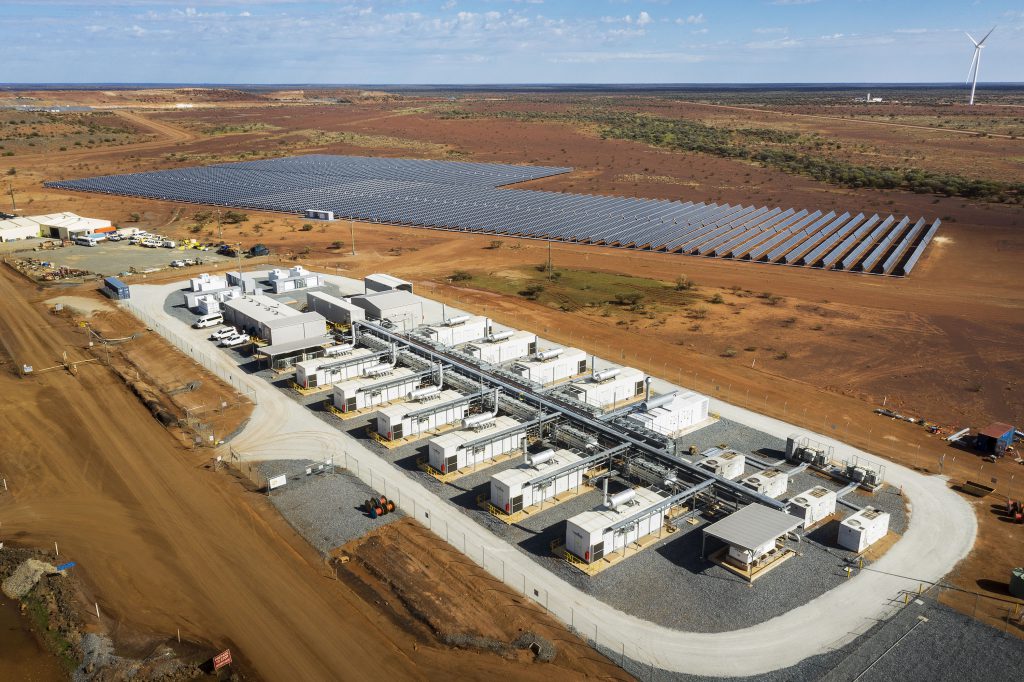
How Businesses in Lebanon Can Reduce Electricity Costs with Solar Energy
For businesses in Lebanon, electricity is much more than a monthly utility bill. It is an operating cost that can directly affect production, pricing, profitability and the ability to keep a business running without interruption.
Factories, warehouses, offices, hotels and other commercial facilities often have significant daily energy requirements. When grid electricity is not enough, businesses may also depend on diesel generators, adding fuel, maintenance and operating expenses.
This is one of the main reasons more businesses in Lebanon are looking at solar energy and battery storage as a way to reduce electricity costs and gain greater control over their energy expenses.
Lebanon has already seen significant growth in privately installed solar and battery systems. The World Bank reported approximately 1,400 MW of standalone solar PV capacity with battery storage in Lebanon by the end of 2024, reflecting how important alternative energy solutions have become in the country.
But how exactly can solar help a business save money?
1. Reduce the Amount of Electricity You Need to Buy
The basic principle is simple.
During daylight hours, solar panels generate electricity that can be used directly by your business.
For a factory operating production lines throughout the day, a warehouse running cooling or refrigeration equipment, or a commercial facility using air conditioning, lighting and machinery, part of that electricity demand can be supplied by solar power instead of being purchased from another source.
The more of your daytime consumption that can be supplied by your solar system, the less electricity your business needs to purchase.
For businesses with high daytime energy consumption, this can make commercial solar particularly attractive.
2. Reduce Generator Fuel Costs
Generator expenses are a major consideration for many Lebanese businesses.
Running a generator involves more than purchasing the generator itself. There is also diesel consumption, servicing, oil changes, spare parts, repairs and eventual equipment replacement.
When a properly designed solar system supplies part of a facility's electricity during the day, the amount of energy that needs to come from generators can be reduced.
For a factory or business operating many hours every week, even a reduction in generator operating hours can translate into meaningful savings over time.
The World Bank has repeatedly identified Lebanon's dependence on costly diesel generation as a significant burden on electricity consumers.
3. Use Battery Storage to Reduce Generator Dependence Further
Solar panels generate electricity while sunlight is available. But many businesses continue operating after production from the solar panels decreases.
This is where battery energy storage can become useful.
Instead of allowing unused solar energy to go to waste, a battery system can store energy and make it available when the business needs it later.
Depending on the facility and how the system is designed, batteries may help a business:
- Use more of the solar energy it produces.
- Reduce generator operating hours.
- Maintain essential operations during power interruptions.
- Better manage electricity consumption throughout the day.
- Improve the overall use of its solar investment.
Not every business needs the same amount of battery storage. A company operating mainly during daylight hours may have very different requirements from a factory operating multiple shifts.
The important question isn't simply, “How big should my battery be?”
It is, “What combination of solar and storage makes financial sense for the way my business actually operates?”
4. Lower the Cost of Producing Your Product or Service
Electricity is part of the cost of doing business.
For manufacturers, it contributes to the cost of running machinery and production lines. For warehouses, it may power lighting, cooling and handling equipment. Hotels, hospitals, shopping centers and office buildings all have their own significant energy requirements.
Reducing energy expenses can therefore have an effect beyond the electricity bill itself.
Lower operating costs can help a business protect margins, remain competitive and better predict its expenses.
This is especially important for companies operating in Lebanon, where businesses have had to manage changing energy conditions and multiple sources of electricity.
5. Protect Your Business From Changes in Energy Costs
Fuel prices can change.
Generator operating costs can change.
Electricity tariffs can change.
A business that depends entirely on purchased electricity and diesel has relatively little control over these changes.
Solar energy introduces another source of electricity whose main investment is made upfront.
Once the system is operating, businesses can generate part of their electricity directly from their own solar installation.
This does not mean that a commercial solar system completely eliminates energy costs. The actual savings depend on the size of the system, electricity consumption, operating hours, available installation area, generator use and several other factors.
However, it can reduce the portion of a company's operating costs that is directly exposed to changing electricity and fuel expenses.
6. The Biggest Solar System Is Not Always the Most Cost-Effective
When considering solar for a factory or commercial building, it can be tempting to ask:
“What is the biggest system we can install?”
A better question is:
“What system will give our business the best use of the investment?”
An oversized system does not automatically mean greater savings.
For example, a factory that consumes most of its electricity during working hours may benefit from prioritizing solar generation that closely matches that daytime consumption.
Another business may need greater battery storage because it continues operating at night.
A third may want to focus primarily on reducing generator usage.
This is why commercial solar projects should start by understanding how the business consumes electricity rather than simply choosing a number of solar panels.
7. Look at Total Savings, Not Just the Initial Price
When comparing commercial solar solutions in Lebanon, the cheapest quotation is not necessarily the solution that will save the business the most money.
Businesses should consider the complete picture, including:
- Expected solar production.
- Current electricity consumption.
- Current generator usage.
- Equipment quality.
- Battery requirements.
- System reliability.
- Warranty and after-sales support.
- Maintenance requirements.
- Expected operating life.
- Potential long-term energy savings.
A system that costs slightly more initially but performs reliably for many years can represent a very different investment from a cheaper system that experiences frequent problems or does not properly match the facility's energy needs.
8. Calculate the Return Based on Your Own Business
There is no single payback period that applies to every commercial solar project in Lebanon.
Two factories located near each other can have completely different results because their operating hours, machinery, generator usage and electricity consumption are different.
Before investing, a business should understand:
- How much electricity are we currently using?
- How much are we spending on electricity and generator operation?
- When during the day do we use the most power?
- How much of that consumption could reasonably be supplied by solar?
- Would battery storage improve the economics or reliability of the system?
Once these questions are answered, a company can evaluate the potential savings much more realistically.
Is Solar Worth It for Businesses in Lebanon?
For many commercial and industrial facilities, the question is no longer simply whether solar panels can produce electricity.
The more important question is whether solar can reduce the total cost of powering the business.
A well-planned commercial solar system can help reduce purchased electricity, lower generator usage and provide businesses with greater control over long-term energy expenses.
Adding battery storage can further increase flexibility for businesses that need electricity outside solar production hours or want to reduce their dependence on generators.
The right solution, however, depends on the business.
A factory, warehouse, hotel and office building should not automatically receive the same solar and battery configuration.
Start With Your Electricity Costs
Before deciding how many solar panels or batteries your company needs, start with your current energy situation.
Look at your electricity consumption, generator expenses, working hours and future energy requirements.
From there, the objective should be simple:
Design an energy solution that reduces the cost of running your business while supporting reliable day-to-day operations.
ASACO works with businesses and industrial facilities in Lebanon to develop solar and energy storage solutions based on their operational requirements.
Looking to reduce your company's electricity and generator costs? Contact ASACO to discuss a commercial solar and energy storage solution for your business.